Certificates

Certificates should make a CPD record easier to trust.

A CPD certificate is useful when it reflects the evidence behind it. Learner certificates, provider approval certificates and assessor verification certificates each serve a different purpose, and each should match the route that has been reviewed.

Learner holding a CPD Qualifications certificate after completing training

The certificate route depends on the record being confirmed. A learner certificate belongs to a completed approved course. A provider certificate belongs to the organisation after provider review. An assessor certificate belongs to an approved assessor scope. Keeping those routes separate protects the value of the certificate and makes the wording easier to check later.

Provider approval and individual course approval are separate. If a provider wants learner certificates or course approval wording for specific courses, those courses need their own review and fee in addition to provider approval.

Course completion certificates example

For learners

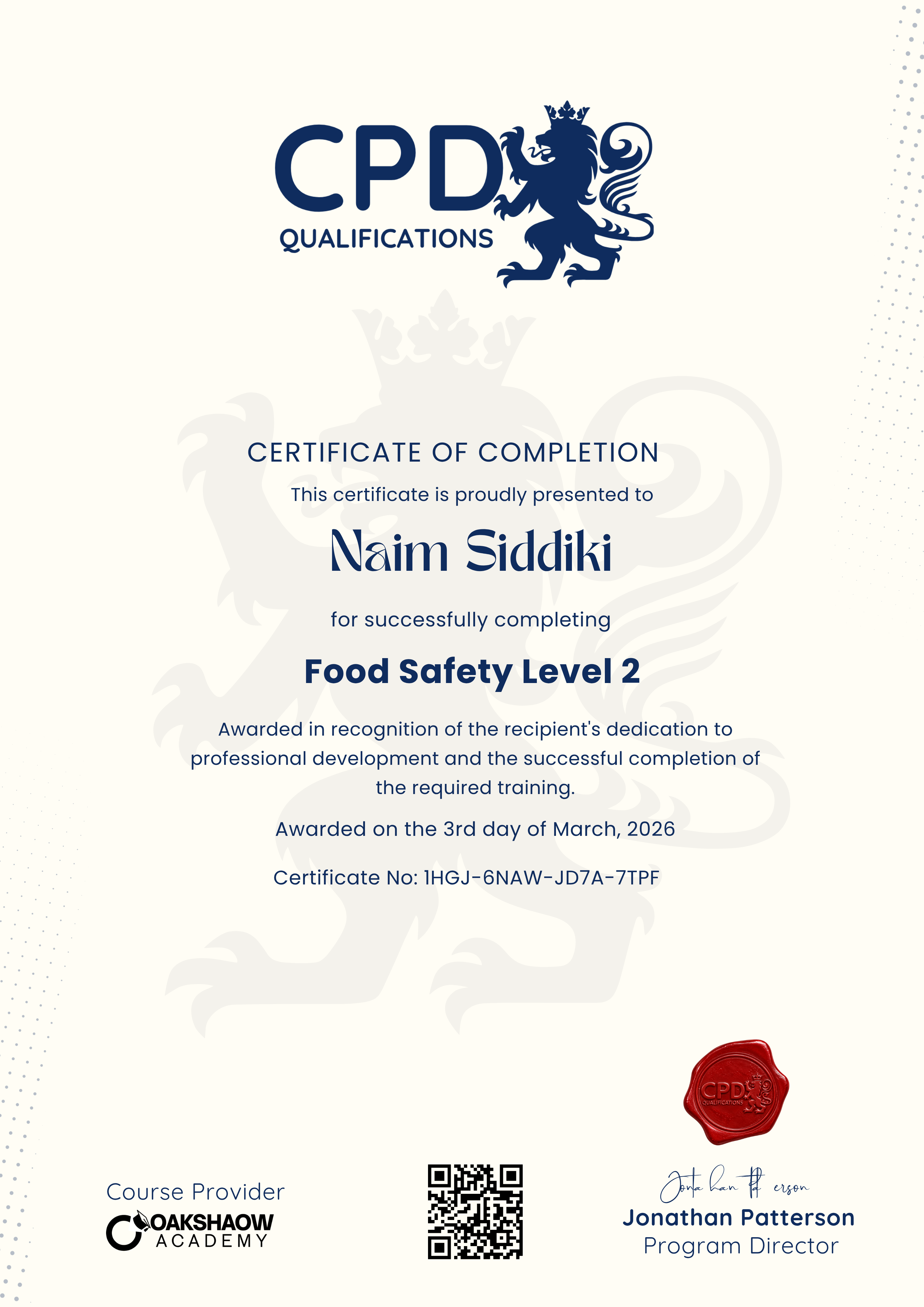
Course completion certificates

Course completion certificates are for learners who have completed an approved CPD activity. The certificate should sit behind a real completion record, so the learner name, course title, provider name, completion date, certificate number and CPD-hour claim can all be traced back to the approved course.

This type of certificate is useful when a learner needs a clear document for an employer, appraisal, portfolio or professional body record. It should confirm the CPD activity completed without suggesting a wider regulated qualification or a broader provider approval.

View course accreditation
Provider approval certificates example

For training providers

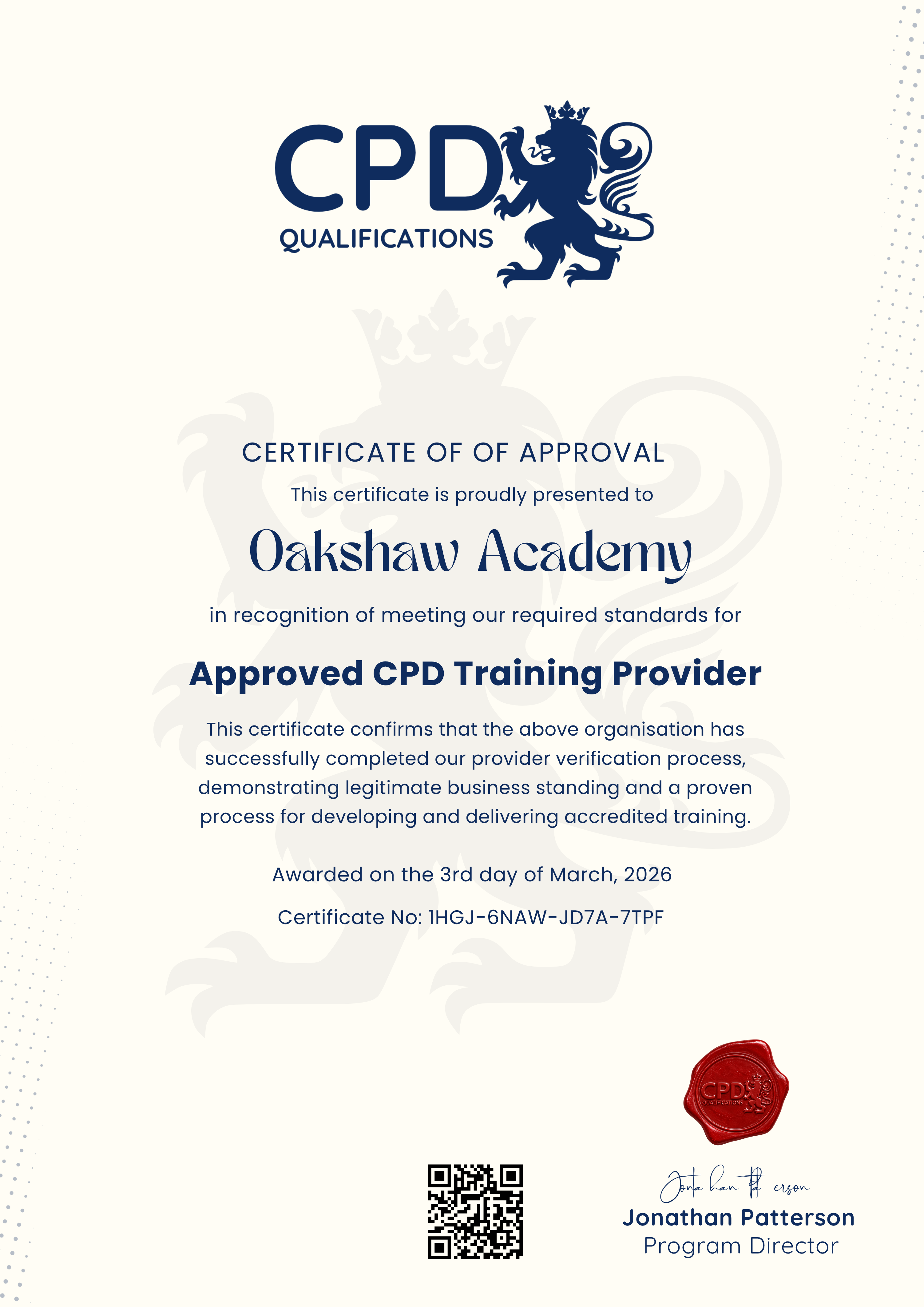
Provider approval certificates

Provider approval certificates are issued after the organisation behind the training has completed review. The certificate relates to the provider controls that were checked, including accountability, learner support, complaints handling, record keeping and certificate issue.

The certificate can support a provider website, tender response or client pack when it is used accurately and within the approval period. It should be presented as provider approval, not as automatic approval for every individual course. A provider certificate alone does not permit course approval wording, course logo use or learner certificates for courses that have not been individually reviewed.

View provider approval
Assessor verification certificates example

For approved assessors

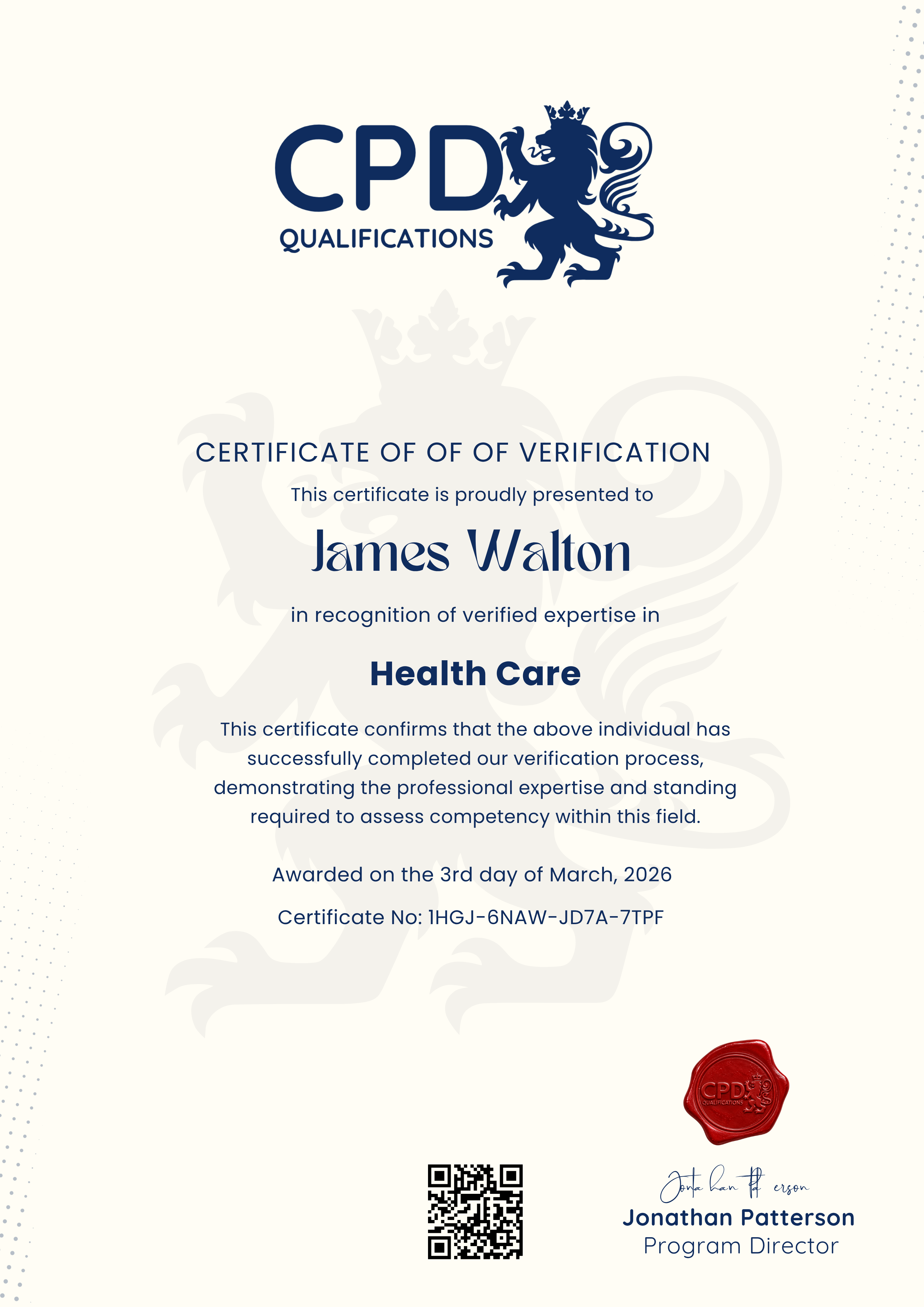
Assessor verification certificates

Assessor verification certificates confirm that an assessor has been reviewed for an agreed area of professional judgement. The certificate should match the assessor scope, evidence and approval period held on the assessment record.

This route is for experienced people who can review CPD evidence carefully, handle documents confidentially and write clear decisions. Approval is not a general title; it is tied to the field and standard confirmed during review.

View assessor approval

Certificate control

Certificates should stay close to the review record.

The details on a certificate should be consistent with the evidence held for the course, provider or assessor. Names, course titles, approval wording, certificate numbers and dates all matter because they are the details people use when checking a record later.

Where a certificate is used online, in a learner portfolio or in provider marketing, the wording should not imply approval outside the route, scope or validity period confirmed by CPD Qualifications.

A provider approval certificate cannot be used as a learner course certificate. It also cannot be used to place course approval marks on course pages unless those individual courses have been approved separately.

This is why certificate control is treated as part of the approval process. The certificate is not a separate design item; it is the public-facing record of what has been reviewed.

Read the evidence requirements