
Purpose
CPD helps people maintain and develop professional knowledge, skills and practice. A regulated qualification formally recognises assessed achievement against qualification requirements.
Continuing Professional Development records learning that helps people maintain and improve their professional practice. It does not award a formal regulated qualification, qualification level or licence to practise.

CPD and regulated qualifications serve different purposes. CPD supports learning throughout a person's working life. It may help them update technical knowledge, respond to changes in their field, improve an existing skill or meet a development requirement set by an employer or professional body.
A regulated qualification is a formal credential. It is developed and awarded through a recognised awarding organisation and governed by the rules that apply to that qualification system. It normally includes specified assessment and an official qualification record.
CPD accreditation does not turn a course into a regulated qualification. A learner can gain valuable professional development and credible completion evidence without gaining a new formal qualification. Course descriptions and certificates must make that distinction clear.
The difference becomes clearer when purpose, oversight, result and permitted claims are considered separately.
CPD helps people maintain and develop professional knowledge, skills and practice. A regulated qualification formally recognises assessed achievement against qualification requirements.
CPD may be set by an employer, regulator, professional body or the learner. A regulated qualification is offered by a recognised awarding organisation within the applicable regulatory system.
CPD normally produces a learning record or certificate of completion. A regulated qualification produces a formal qualification certificate after the required assessment has been achieved.
CPD does not give an RQF level, degree, professional registration or licence to practise. Those outcomes require the relevant qualification, regulator or statutory route.
Useful CPD begins with a reason to learn, continues through a relevant activity and ends with evidence the learner can explain and retain.

Identify a knowledge gap, change in professional practice, workplace requirement or development goal that the learning should address.

Complete a relevant course, workshop, webinar, work-based activity, professional discussion, reading programme or other accepted form of development.
Record the activity, active learning time and completion evidence, then reflect on what was learned and how it applies to professional practice.

For a named course, CPD accreditation considers the intended audience, learning outcomes, course material, delivery method, active learning time, completion checks and certificate wording. It asks whether the evidence supports the professional learning claim being made.
The review can help a provider present the course more clearly and give learners a traceable completion record. It does not assess the course as an Ofqual-regulated qualification and does not assign an RQF level.
Provider approval is also separate. It reviews the organisation and its controls for developing, delivering, updating and recording training. An approved provider must still submit individual courses where named course accreditation is required.
See how CPD evidence is reviewedIn England, Ofqual regulates qualifications, examinations and assessments. Regulated qualifications are offered by awarding organisations recognised for the relevant scope and must follow applicable regulatory rules for design, assessment, delivery and certification.
The official register can be used to check whether a qualification is regulated and to confirm its exact title, qualification number, awarding organisation and other published details. A training provider's general description should never replace that check.
Qualification levels describe difficulty, but qualifications at the same level can differ in subject and size. CPD hours are measures of professional learning time and cannot be converted into an RQF qualification level.

Start with the reason for learning, then verify the exact requirement before paying for a course.
CPD may be suitable when you want to update knowledge, strengthen an existing skill, meet workplace development needs or add evidence to a professional learning record.
Understand CPDCheck whether the employer, university, regulator or professional body names a particular qualification, awarding organisation, level or licence before you enrol.
Check the official registerChoose CPD accreditation when the product is continuing professional learning. Do not describe it as a regulated qualification unless a separate recognised awarding route applies.
Explore course accreditation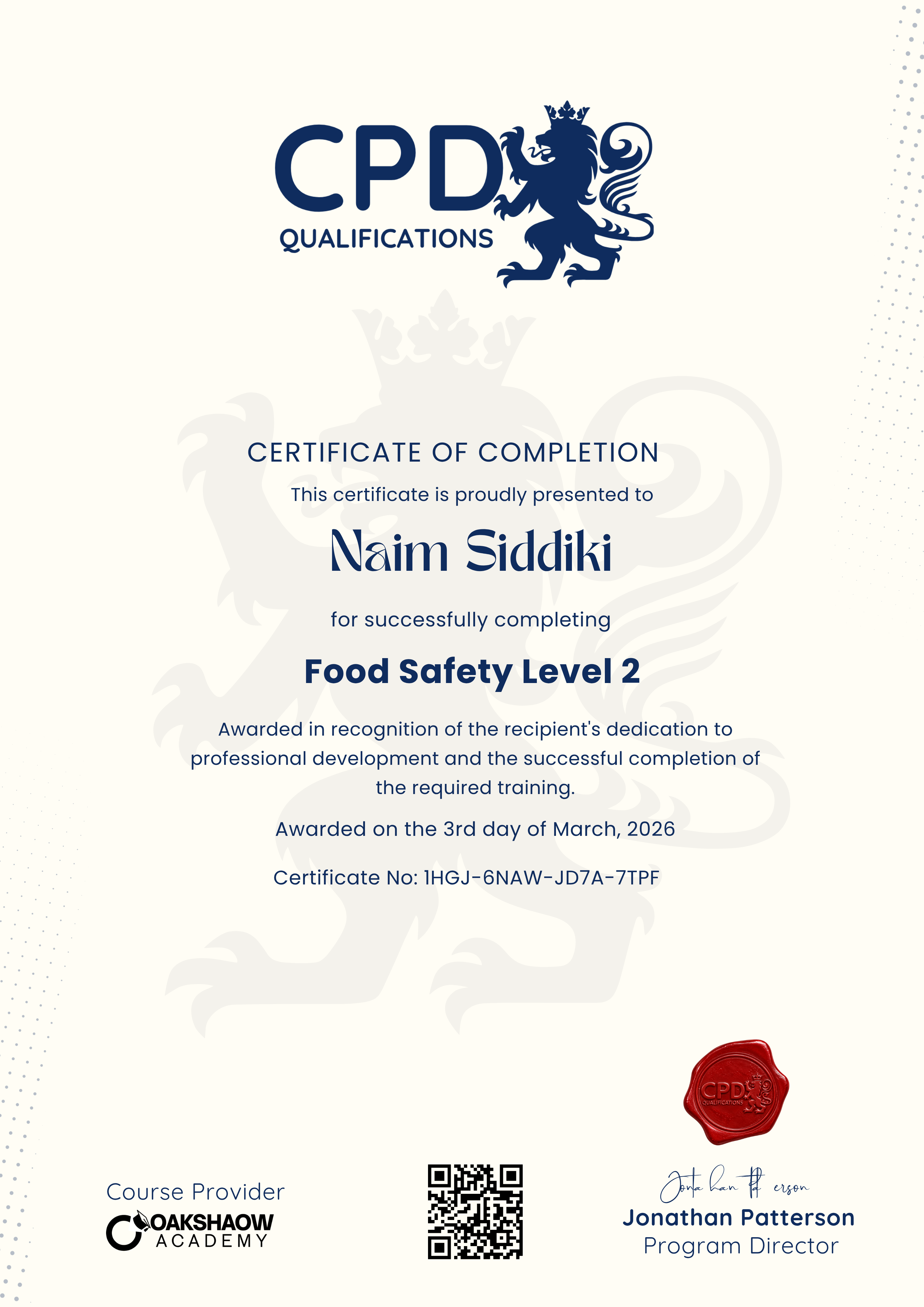
A clear certificate identifies the learner, course title, provider, completion date, active CPD time and approval reference. It confirms completion of the named professional learning activity.
It should not say or imply that the learner has earned a regulated qualification, academic credit, professional registration, protected title or permission to practise unless that outcome exists through a separate authorised route.
Providers should also avoid terms such as diploma, degree, RQF level or nationally recognised qualification where these are not supported. Precise wording protects learners, employers and the credibility of the course.
View CPD certificate guidanceClear answers for learners, employers and providers checking what CPD accreditation and certificates mean.
No. CPD is continuing professional development. It can provide evidence of learning, but it does not award a regulated qualification, an RQF level, a degree or a licence to practise.
No. CPD accreditation reviews professional learning and its supporting evidence. Ofqual regulates qualifications, assessments and recognised awarding organisations in England. These are separate systems.
A completed CPD course can give the learner new or updated knowledge, a record of active learning time and a certificate or other evidence of completion. Its acceptance depends on the learner’s employer or professional scheme.
No. A CPD certificate records professional learning. It does not by itself prove occupational competence, professional registration, legal authorisation or eligibility to work in a regulated role.
A provider may offer regulated qualifications and separate CPD activities, but each route must be described and evidenced correctly. CPD approval does not extend regulated status to another course.
It may count when the activity is relevant and the learner’s regulator, professional body or employer accepts it. Accreditation does not guarantee acceptance under every CPD scheme.
Check the official Register of Regulated Qualifications and confirm the exact qualification title, number and awarding organisation. Other UK nations have their own qualification authorities and registers.
It should identify the learning activity, provider, learner, completion date, active CPD time and approval reference where applicable. It should not use wording that implies a regulated qualification or licence.